

Sandakan
admin
12:07:20 July 10, 2026
Sabah's Gateway to Wildlife, Islands and Rainforest
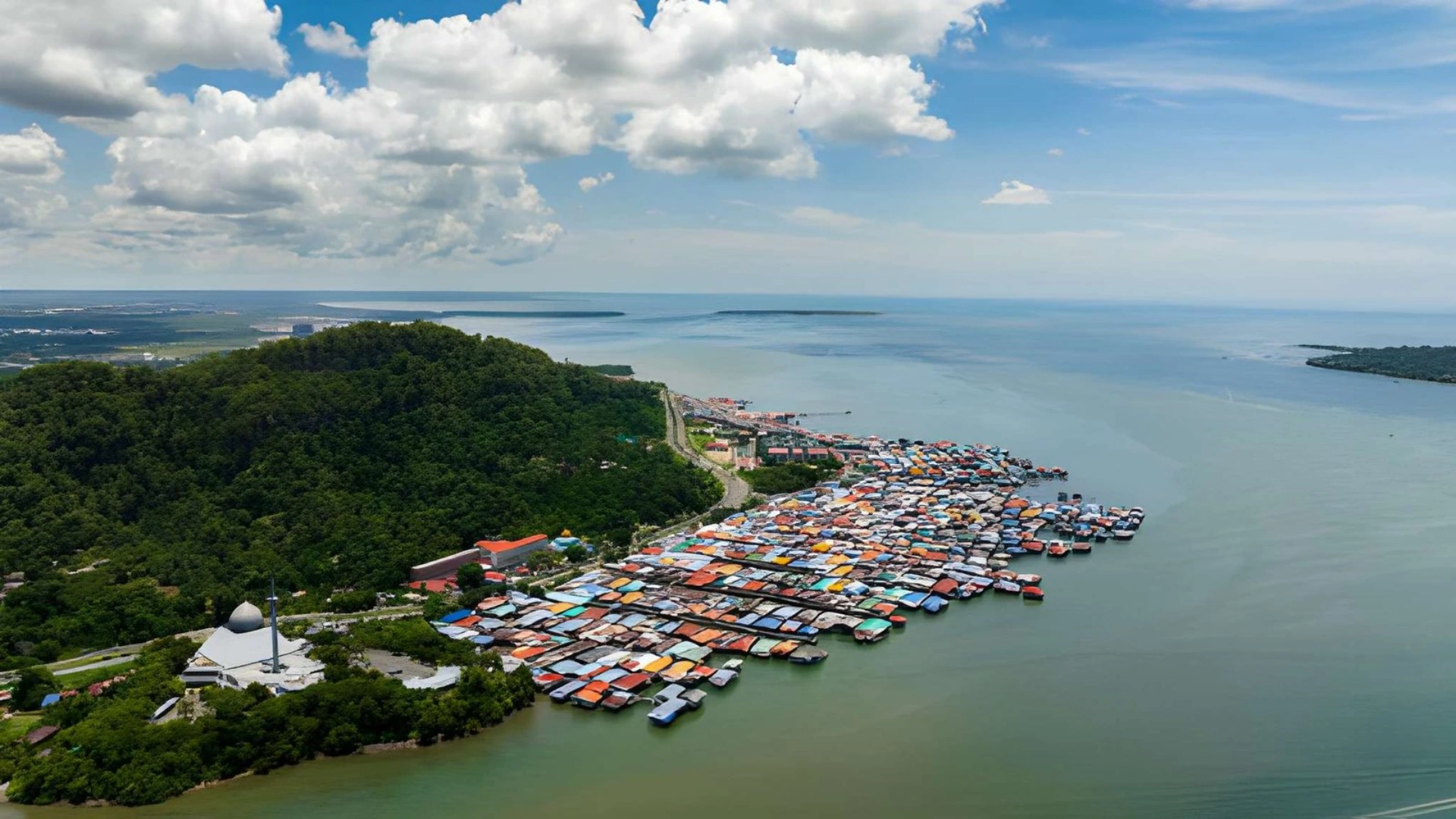
Sandakan does not announce itself with skyscrapers or spectacle. It arrives more quietly: morning light across the bay, fishing boats nudging into the harbour, the smell of coffee shops opening near the old town, and the sense that the rainforest is never very far away.
Set on Sabah’s east coast, Sandakan is one of Malaysian Borneo’s most rewarding bases for wildlife travel. The city has history, sea air and a working-port rhythm, but its real magic is what begins just beyond town: orangutans in Sepilok, tiny sun bears in forest enclosures, turtles nesting on offshore islands, proboscis monkeys in Labuk Bay and river safaris along the Kinabatangan.
For many travellers, Sandakan is where a Sabah nature journey becomes tangible. You can arrive by flight, settle into town or Sepilok, and within a short drive or boat ride be standing in rainforest, boarding a river cruise or waiting under the stars for a turtle ranger’s call.
Sandakan quick facts
Why Sandakan is worth visiting
Sandakan is often described as a gateway, but that undersells it. The city has the layered feeling of a place shaped by trade, migration, rainforest and sea. It was once the capital of British North Borneo, known by the old name Elopura and later nicknamed Little Hong Kong because of its historic Chinese trading connections.
Today, Sandakan feels practical rather than polished, which is part of its appeal. The waterfront is busy, the seafood is fresh, and the city sits close to some of Sabah’s most important conservation areas. It is the kind of place where a day might begin with kopi and noodles in town, continue with orangutans in Sepilok, and end with fireflies blinking over a mangrove river.
A short history of Sandakan
Sandakan’s story is both beautiful and heavy. The town grew as a commercial and administrative centre under the British North Borneo Company, became an important port, and was later devastated during the Second World War. The Sandakan War Memorial and Sandakan Memorial Park remain important places of remembrance, especially for visitors interested in the wartime history of North Borneo.
That history gives the city a different texture from Sabah’s beach destinations. Sandakan is not only a wildlife base; it is also a place to understand how trade, colonial history, war and rebuilding shaped the east coast of Sabah.
Best things to do in and around Sandakan
Visit Sepilok Orangutan Rehabilitation Centre
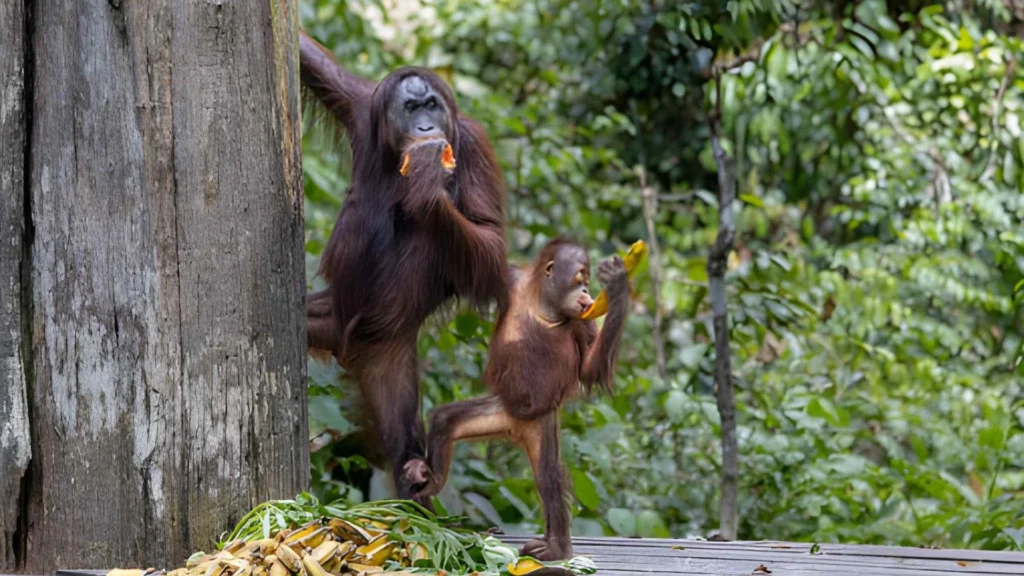
Sepilok is the experience many travellers come to Sandakan for first. Located around 25 kilometres west of the city, the rehabilitation centre opened in 1964 to care for rescued and orphaned orangutans and help them return to forest life. The boardwalks and viewing areas make it one of the easiest places in Sabah to learn about orangutan conservation in a rainforest setting.
See the world’s smallest bears at Bornean Sun Bear Conservation Centre
Right next to Sepilok Orangutan Rehabilitation Centre, the Bornean Sun Bear Conservation Centre focuses on the care and rehabilitation of rescued sun bears. It is a natural pairing with Sepilok because the two centres sit close together, making them easy to visit in one day.
Spend a night on Selingan Turtle Island
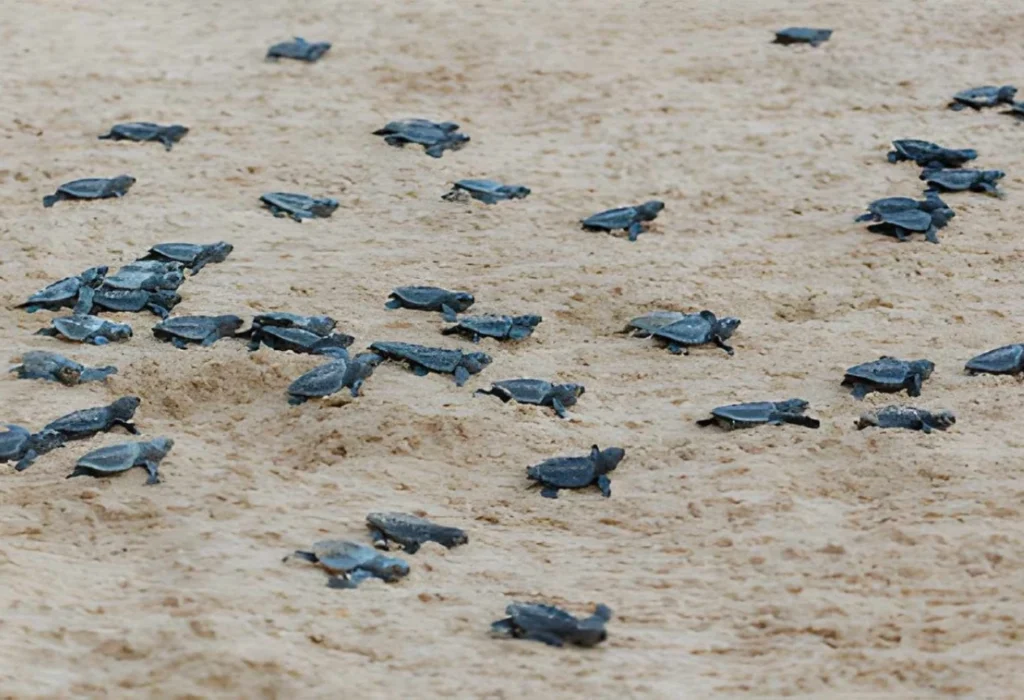
Selingan Turtle Island is one of Sandakan’s most memorable overnight trips. By day, the island feels slow and coastal. By night, the experience becomes quiet and expectant as park rangers manage the turtle nesting program, egg transfer and possible hatchling release. It is a nature experience that asks travellers to slow down and follow the rhythm of the island.
Go beyond the city: rivers, caves and proboscis monkeys
If you have more time, Sandakan opens into a wider nature circuit. Labuk Bay offers a close look at proboscis monkeys, with their long noses, pot bellies and acrobatic movement through the trees. Gomantong Cave adds a darker, more dramatic landscape of limestone, swiftlets and forest. The Kinabatangan River, meanwhile, is the great wildlife corridor of the region, best experienced by boat in the late afternoon or early morning.
A day trip can give you a strong first impression, but overnight itineraries reveal the area better. When you stay by the river, the pace changes. You hear the forest before breakfast, watch the river wake up, and give yourself more chances to see hornbills, macaques, proboscis monkeys, crocodiles, orangutans or even Bornean pygmy elephants.
How many days should you spend in Sandakan?
- One day: Visit Sepilok Orangutan Rehabilitation Centre and the Bornean Sun Bear Conservation Centre.
- Two days: Add Labuk Bay, Rainforest Discovery Centre, a fireflies cruise or a Kinabatangan day trip.
- Three to four days: Combine Sepilok with Selingan Turtle Island or an overnight Kinabatangan River safari.
- Four days or more: Choose a complete nature circuit with turtles, Sepilok, sun bears and Kinabatangan.
What to pack for Sandakan
Sandakan is warm, humid and tropical, so pack for comfort and quick changes in weather. Light cotton clothing, insect repellent, sunscreen, a raincoat or poncho and comfortable walking shoes will cover most tours. Bring binoculars if you enjoy birds and canopy wildlife, and carry a small dry bag for boat trips or sudden rain.
Responsible wildlife travel in Sandakan
Keep a respectful distance from wildlife, avoid flash photography where restricted, stay on boardwalks and follow guide instructions. The best memories in Sandakan usually come from quiet observation: a young orangutan learning to move through the trees, a sun bear foraging in the forest, a turtle track on the sand or a hornbill passing above the Kinabatangan canopy.
Suggested Sandakan itinerary ideas
Sandakan is best planned as a base rather than a single attraction. The city gives you airport access, hotels, food and transfer points, while the wildlife experiences sit around it like spokes: Sepilok for orangutans and sun bears, Selingan for turtles, Labuk Bay for proboscis monkeys, Kinabatangan for river safaris and the mangroves for evening fireflies.
- One day in Sandakan: focus on Sepilok Orangutan Rehabilitation Centre, Bornean Sun Bear Conservation Centre and a relaxed meal in town.
- Two days in Sandakan: add Labuk Bay, Rainforest Discovery Centre or an evening mangrove fireflies cruise.
- Three days: choose either Selingan Turtle Island or an overnight Kinabatangan River stay, depending on whether turtles or river wildlife matter more to you.
- Four days or more: combine Sepilok, Selingan Turtle Island and Kinabatangan River into one nature circuit.
Where to stay around Sandakan
Choose your accommodation around the route you want. Hotel Hsiang Garden is a practical city base for airport access, town visits and tour pickups. Borneo Sepilok Rainforest Resort suits travellers who want to stay close to Sepilok’s orangutan, sun bear and rainforest experiences. If your trip is centred on Kinabatangan River cruises, Borneo Natural Sukau Bilit Resort keeps you close to the river rhythm.
Recommended Sandakan tours by travel style
Sandakan works best when you choose tours around your wildlife priorities. Start with Sepilok Orangutan & Sun Bear Conservation Centre for an easy wildlife day, choose Selingan Turtle Island for an overnight island conservation experience, or continue to the Kinabatangan River Day Adventure if river wildlife is your priority.
If you want a fuller route, compare the Kinabatangan River & Gomantong Cave Tour, the 3 Days 2 Nights Sepilok & River Adventure or the 4 Days 3 Nights Nature Tours.
Sandakan FAQ
How many days do I need in Sandakan?
One day is enough for Sepilok highlights, but three to four days is better if you want to include Selingan Turtle Island, Kinabatangan River or a slower combination of wildlife tours.
Is Sandakan a good base for Kinabatangan River?
Yes. Sandakan is one of the main gateways for Kinabatangan River tours, with hotel or airport pickup commonly used before continuing by road to Bilit or Sukau.
Should I book tours before arriving?
For Selingan Turtle Island and overnight river stays, advance booking is recommended because accommodation, permits, rooms and transfers can be limited. For simpler day tours, booking ahead still helps align pickup times and route planning.
What is Sandakan best known for?
Sandakan is best known as Sabah’s east coast wildlife gateway, with access to Sepilok orangutans and sun bears, Selingan Turtle Island, Labuk Bay, Kinabatangan River and the region’s historical sites.
Planning note: Tour routes, prices and availability can change by season, permit conditions and weather. This guide was last checked by the Asia Green Travels team in July 2026; contact us before booking if you need the latest departure and accommodation details.