

Responsible Wildlife Tourism in Borneo: A Short Code for Sabah
admin
12:11:55 November 2, 2026
Seven Simple Habits for Watching Wildlife in Sepilok and on the River
Responsible wildlife tourism in Borneo comes down to a few simple habits.
At the Sepilok Orangutan Rehabilitation Centre (SORC), the whole aim is for orangutans to return to life in the forest. On the river, the animals you might see are wild. This short code brings together Sepilok’s visitor guidance and the everyday manners of a Kinabatangan river cruise. None of it is complicated.
Responsible wildlife tourism in Borneo: seven simple habits
1. Never touch the orangutans, or any wildlife
Visitors must not touch the orangutans at SORC. The same principle holds everywhere: wild animals are not there to be handled, however tempting the moment.
2. Never feed animals
Never feed wildlife, at a centre, on a trail or from a boat. It’s one of the simplest habits and one of the most important. If you watch a feeding session at SORC, remember that it’s for the orangutans, not an invitation for visitors to join in.
3. Keep your voice low
At SORC, visitors are asked to keep voices low, and it’s a good habit everywhere. Loud voices carry, and they can disturb animals and other visitors alike. Speak softly, especially when an animal is in view.
4. No flash photography
At SORC, visitors are asked to turn off camera flash, and we’d say switch it off wherever you watch wildlife. Natural light makes for better photos anyway, and it spares the animals a sudden burst of light.
5. Follow your guide
Guides and centre staff know the rules and the reasons behind them. If they ask you to move back, stay quiet or put the camera down, do it without question. On a river cruise, follow your guide’s instructions at all times.
6. Arrive early and settle in
At SORC, arrive early for the feeding sessions. It gives you time to find a spot and settle in calmly, rather than rushing in once animals are already present.
7. Accept that no-shows are a success
Orangutans may not appear at feeding time at all, especially in the fruiting season, because they have found food in the forest. That’s the point of rehabilitation. On the river too, sightings are never guaranteed. A quiet platform or an empty riverbank isn’t a failure; it’s what wild looks like.
At Sepilok: centre etiquette
Good to know: Sepilok’s conservation centres have their own visitor rules, and it’s worth reading them before you go. At SORC, visitors must not touch the orangutans, and are asked to turn off camera flash and keep voices low. It’s also worth arriving early. The Bornean Sun Bear Conservation Centre publishes its own visitor guidance on its Visit Us page, so check that too.
For more on how a day at Sepilok works, see our Sepilok travel guide. If you’d like to stay in Sepilok, Borneo Sepilok Rainforest Resort, part of the Asia Green Travels collection, makes an early start easier.
On the river: cruise manners
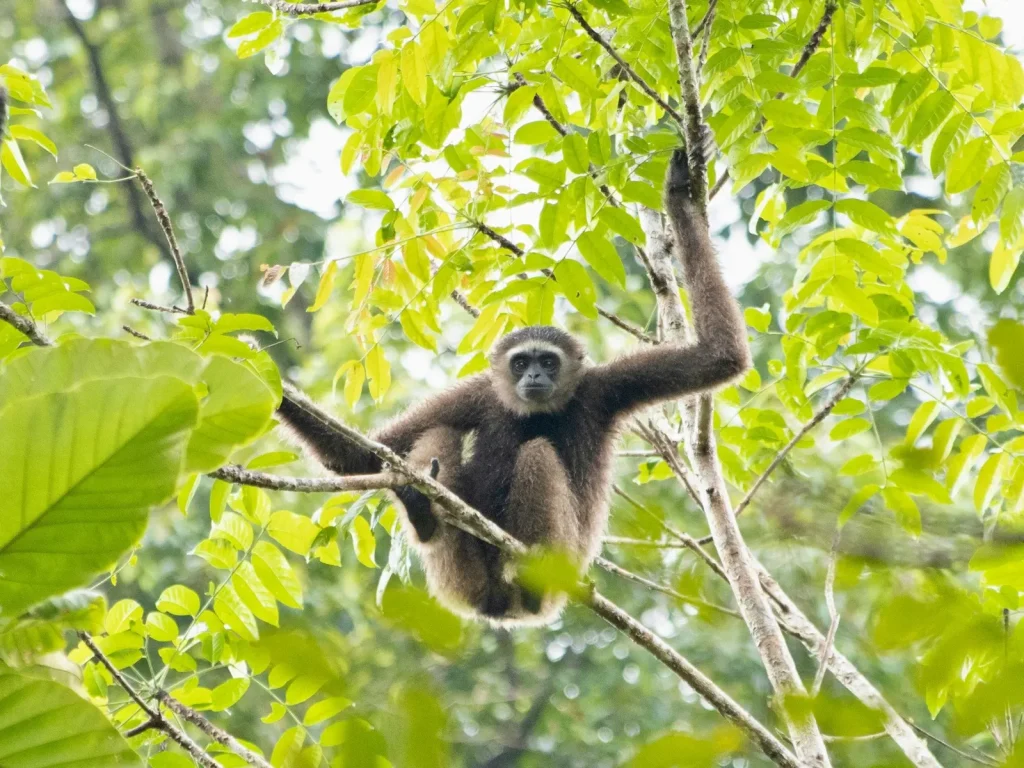
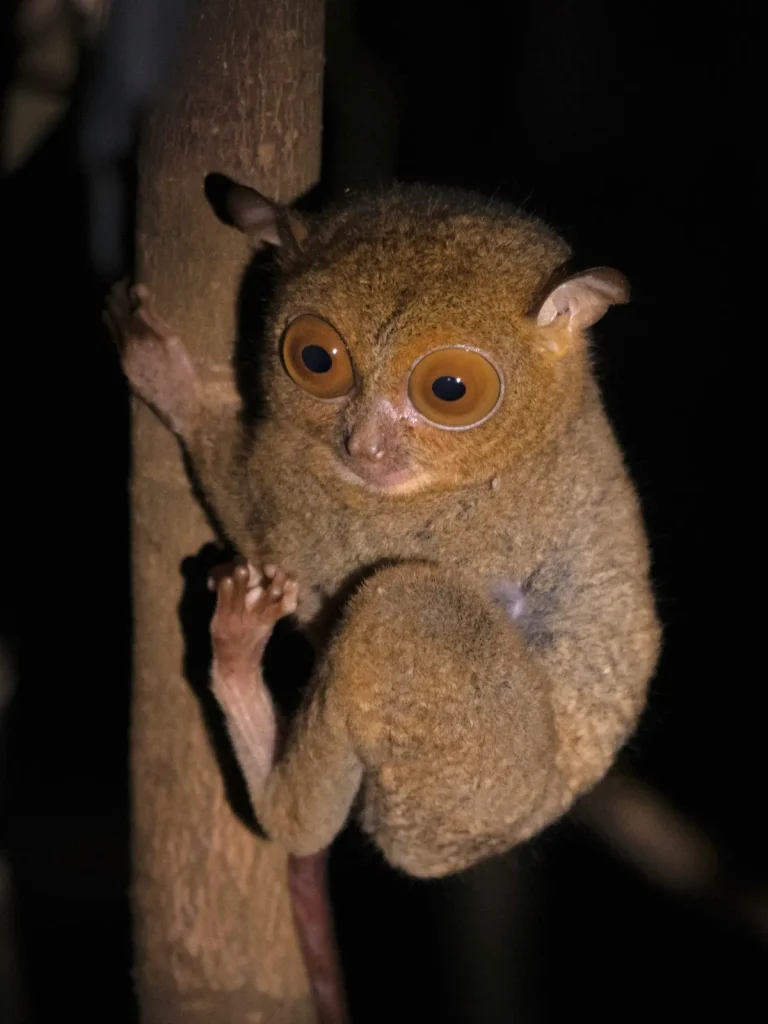
A river cruise on the Kinabatangan puts you in the animals’ world, on their terms. All seven habits apply on the water, plus one more: never throw anything into the river.
Our Kinabatangan River guide explains more about the river itself, and you can stay at Borneo Natural Sukau Bilit Resort. The Sabah Tourism Board has a helpful overview of the Kinabatangan too.
Photography without the pressure
It’s natural to want photos. A few tips keep the camera from taking over:
- Use a zoom lens or binoculars rather than trying to get closer.
- Mute the shutter sound on your phone or camera.
- Don’t chase the shot. If an animal moves away, let it go.
- Take time to just watch. Some of the best moments are the ones you don’t photograph.
Choosing a responsible trip
Responsible travel starts before you arrive. Look for trips that build in time for the forest and river rather than racing between stops, and that brief you on how to behave around wildlife. If you’re planning a Sepilok and Kinabatangan trip, our Sandakan tours are a good place to start, and Orangutan Appeal UK, a SORC partner charity, has more on the centre’s work.
Frequently asked questions
Can I touch the orangutans at Sepilok?
No. Visitors must not touch the orangutans.
Why might the orangutans not come to feeding time?
They may have found food in the forest, especially in the fruiting season. That’s the goal of rehabilitation, so a quiet platform is good news.
Is flash photography allowed?
Visitors at SORC are asked to turn off camera flash, and we’d say never use it around wildlife, at the centres or on the river.
Am I guaranteed to see wildlife?
No. Sightings are never guaranteed, in Sepilok or on the Kinabatangan.
Plan a responsible trip with us
Want to see Sabah’s wildlife the right way? Our team is happy to help.
- WhatsApp: message us on +60 16-841 1414 at wa.me/60168411414
- Stay in Sepilok: use the “Book Your Stay” form on borneosepilok.com
- Stay on the river: use the booking tab on the Chalet and Dorm pages at kinabatanganriver.com.my
- Book a tour: use “Ask a Question” on any package page, such as the 3 Days 2 Nights Sepilok & River Adventure